
Hidden electrical faults are genuinely terrifying because they give no warning. Unlike a dripping tap or a creaky floorboard, electrical problems often stay completely silent until something goes seriously wrong. Loose connections, overloaded circuits, and deteriorating insulation can all generate dangerous levels of heat without any visible signs. In Australia, electrical faults remain one of the leading causes of house fires, making early detection absolutely critical for protecting your property and loved ones.
That’s where thermographic inspections come into play. This clever technology uses thermal imaging to detect heat patterns that signal potential electrical problems long before they become hazardous. In this post, we’ll explore exactly how thermographic inspections work, what issues they can uncover, who needs them, and how to choose the right service provider. Whether you’re a homeowner, property manager, or business owner, understanding this technology could save you thousands of dollars and potentially prevent a disaster.
What Is Thermographic Inspections for Electrical Systems?
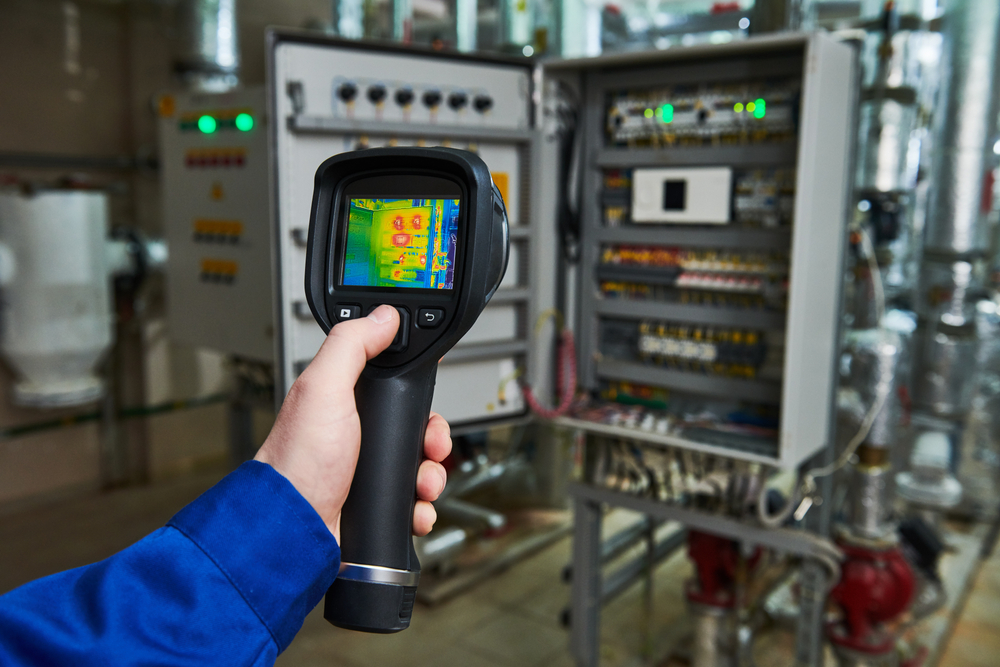
Thermographic inspections are non-invasive testing method that uses infrared technology to identify heat anomalies in electrical systems. Think of it as giving your electrical infrastructure a health check-up without any invasive procedures. The technology captures thermal images that reveal temperature variations invisible to the naked eye.
How Does Thermal Imaging Work?
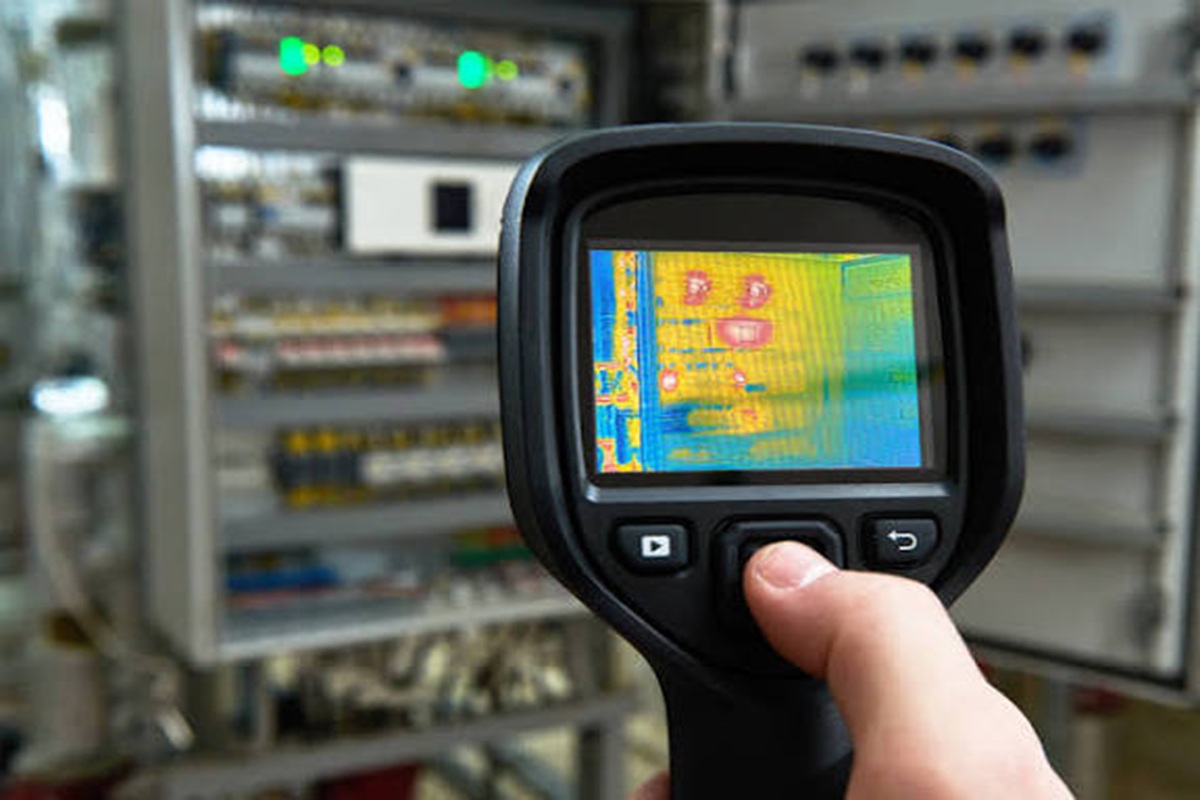
Every object emits infrared radiation based on its temperature. Thermal imaging cameras detect this radiation and convert it into visual images showing temperature differences. When electrical components malfunction or experience excessive load, they generate abnormal heat. A trained thermographer can interpret these heat signatures to pinpoint potential problems before they escalate.
What Equipment Is Used in Electrical Thermography?
Professional thermographers use specialised infrared cameras designed for electrical inspections. These cameras offer high thermal sensitivity and can detect temperature differences as small as 0.1°C. Modern equipment also includes sophisticated software for analysing and documenting findings.
What Can Thermal Imaging Detect in Electrical Systems?
Thermal imaging excels at finding problems that would otherwise remain hidden. The technology can identify a range of issues across residential, commercial, and industrial settings.
Loose or Corroded Connections
Loose or corroded connections create resistance, which generates heat. Over time, this heat can damage surrounding components and potentially cause arcing a dangerous condition that can ignite nearby materials. Thermal imaging spots these hot connections instantly.
Overloaded Circuits
When circuits carry more current than they’re designed for, they heat up. This overloading might not trip a breaker immediately but can cause gradual damage to wiring and components. Thermography reveals these stressed circuits before permanent damage occurs.
Faulty Switchboard Components
Switchboards contain numerous connections and components that can deteriorate over time. Faulty circuit breakers, worn contactors, and damaged busbars all show up clearly on thermal scans. Identifying these issues early prevents unexpected failures.
Deteriorating Insulation
Insulation breakdown is another common problem that thermal imaging detects effectively. When insulation deteriorates, it allows current leakage and creates heat. This gradual process often goes unnoticed until a serious fault develops.
How Does Thermographic Inspections Work for Detecting Electrical Faults?
Understanding the inspection process helps you know what to expect and how to prepare for a visit from a qualified thermographer.
The Step-by-Step Inspection Process
The process begins with a consultation to understand your property’s electrical systems and any specific concerns. On inspection day, the thermographer surveys all accessible electrical equipment while systems operate under normal load conditions.
What Happens During a Commercial Electrical Thermography Scan?
Commercial inspections are more extensive due to the complexity of business electrical systems. The thermographer examines main switchboards, sub-distribution boards, motor control centres, and critical equipment connections.
Key Benefits of Electrical Thermal Imaging Inspections
Investing in regular thermographic inspections delivers multiple advantages for property owners and managers.
Non-Invasive and Non-Disruptive Testing
Perhaps the biggest benefit is that inspections happen without interrupting operations. There’s no need to disconnect equipment, open walls, or shut down systems. The thermographer simply scans your electrical infrastructure while everything runs normally.
Preventing Costly Downtime and Repairs
Identifying problems early means addressing them during planned maintenance rather than emergency repairs. This proactive approach saves significant money and prevents the cascading damage that often accompanies electrical failures.
Reducing Fire Risk in Homes and Businesses
By detecting overheating components before they reach dangerous temperatures, thermographic inspections significantly reduce fire risk. This protection extends to your property, inventory, and most importantly, the people inside.
Meeting Australian Compliance and Insurance Requirements
Many Australian insurers now recommend or require regular thermographic inspections for commercial properties. Some industries have specific compliance obligations that include electrical testing. Regular inspections demonstrate due diligence and may help reduce insurance premiums.
Who Needs Thermographic Electrical Inspections?
While everyone with an electrical system can benefit from thermal imaging, certain property types have greater need for regular inspections.
Commercial and Industrial Properties
Businesses with complex electrical systems, heavy machinery, or continuous operations benefit most from regular thermographic inspections. Manufacturing facilities, data centres, hospitals, and shopping centres all fall into this category.
Residential Properties
Homeowners, particularly those in older properties with aging wiring, should consider thermographic inspections. The technology can reveal issues hidden within walls and ceilings problems that traditional inspections might miss entirely.
Strata and Property Managers
Managing multiple properties means managing multiple electrical systems. Thermographic inspections provide property managers with documented evidence of electrical health, supporting maintenance planning and demonstrating responsible management to owners and insurers.
How Often Should You Get a Thermal Imaging Electrical Inspection?
The recommended frequency depends on your property type and electrical system complexity. Commercial and industrial facilities typically benefit from annual inspections. High-risk environments or facilities with critical equipment might require more frequent checks perhaps every six months.
Is Thermal Imaging Accurate for Finding Electrical Problems?
When performed by qualified professionals using calibrated equipment, thermographic inspections is highly accurate. The technology detects temperature anomalies with precision, and experienced thermographers can interpret these readings reliably.
Conclusion
Hidden electrical faults pose genuine risks to your property, finances, and safety. Thermographic inspections offer a proven, non-invasive method for detecting these invisible dangers before they cause harm.
Taking action now is far better than dealing with consequences later. Book a thermographic inspections with a qualified provider and discover the true condition of your electrical systems. It’s a small investment that could save you from significant trouble down the track.